Find the market problem.
Ask what the speaker needs you to buy, permit, repeat, or stop questioning.
 Fossil Fools
Who were they? The gas-industry client, the advertising account men, and the public-relations strategist documented in the files behind “clean” gas.
Editorial reconstruction · anonymous figures · identities and actions sourced below
The public saw “clean.” The client file shows the money, the men, and the market problem underneath.
In this investigation, “Fossil Fools” means the documented decision chain behind the pitch: the trade-group president protecting the market, the named J. Walter Thompson account team selling the line, and the Hill & Knowlton chief teaching the industry to control the room.
This is a sourced editorial label, not a claim that every employee devised the strategy. Each role below is tied to the cited client or public-relations record.
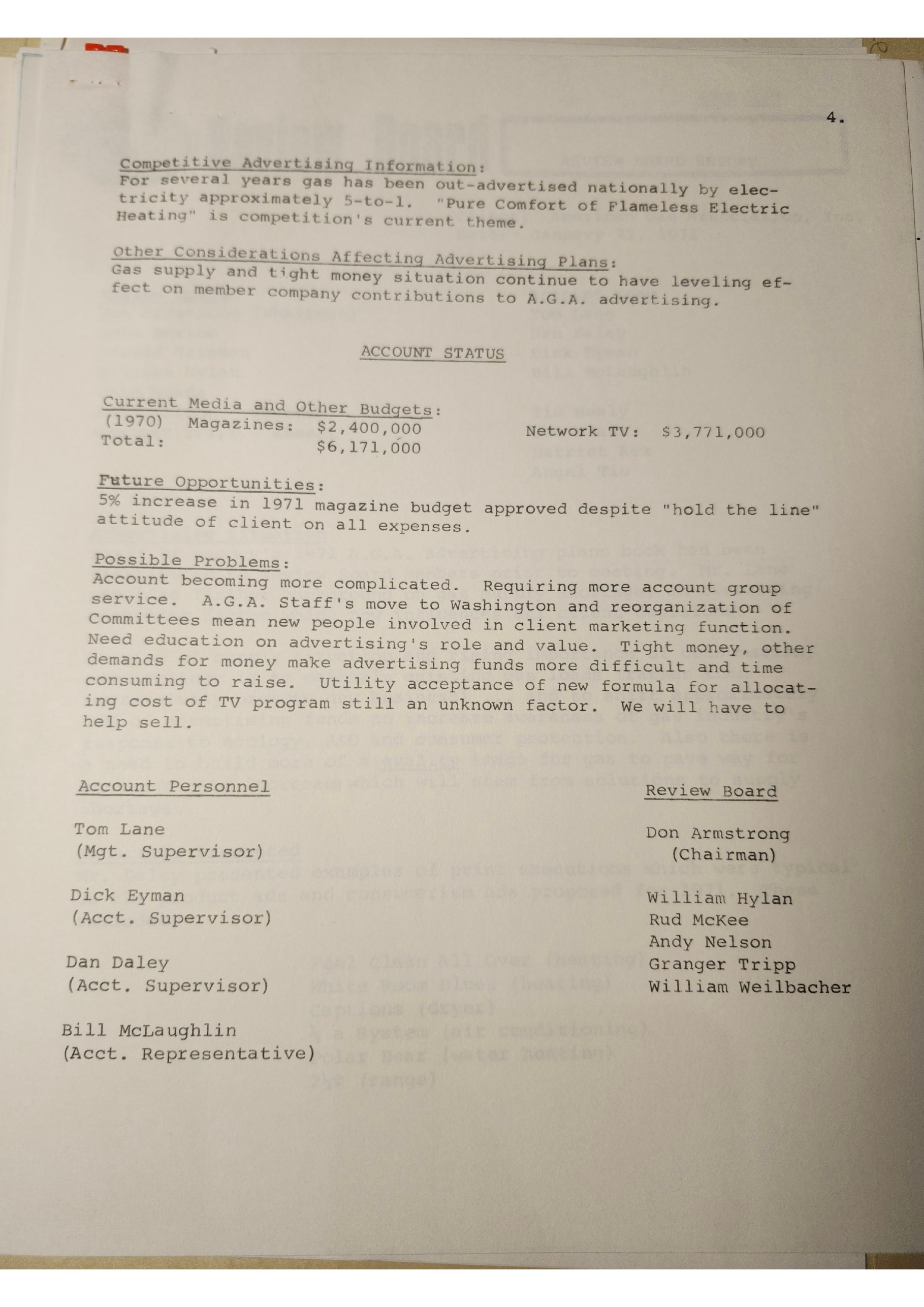
$6.171 million. Four named account men.J. Walter Thompson account status · 1970
Original agency file, August 1970. Names and budget appear on the page.
Open page 6 ↗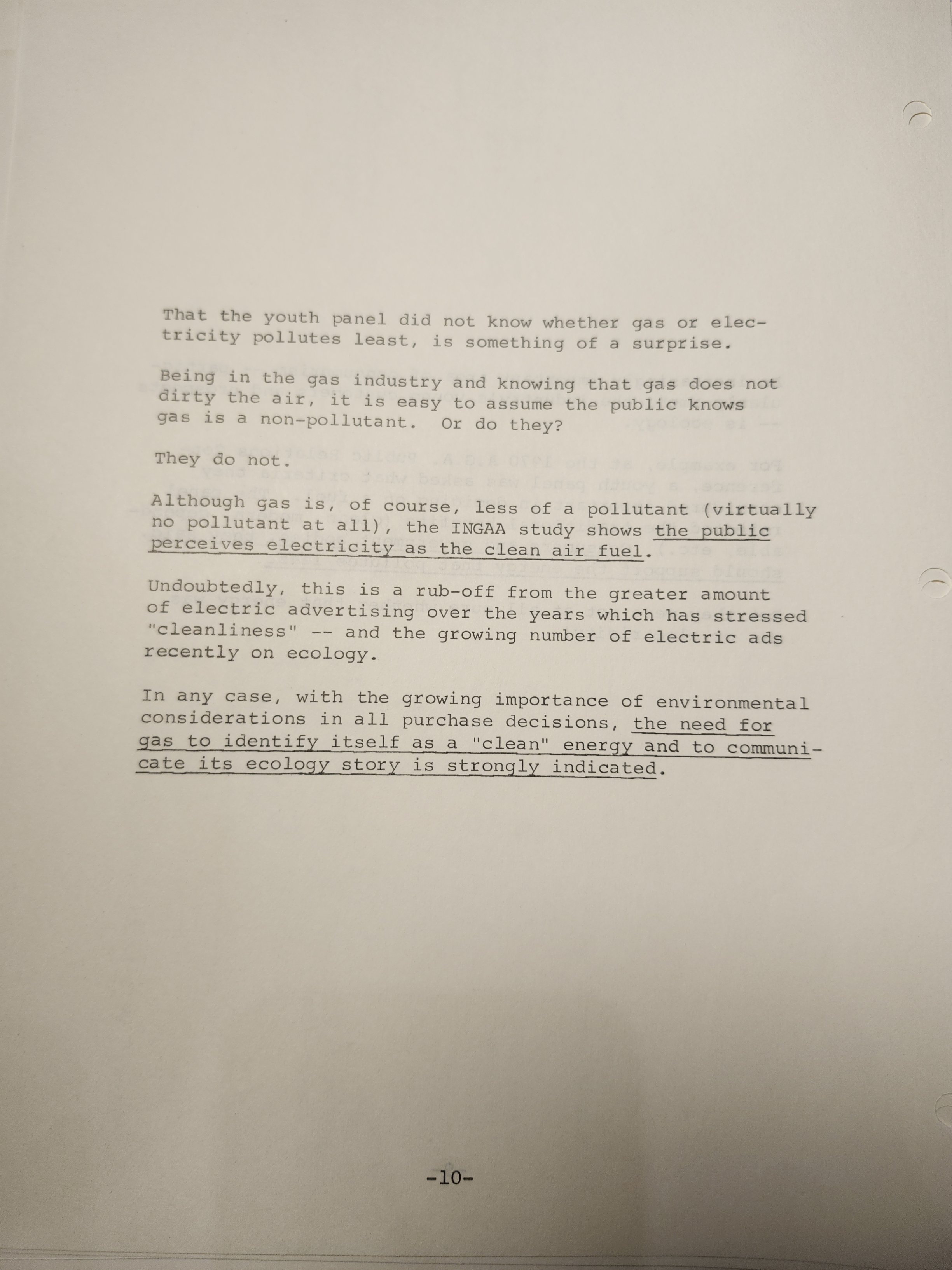
Identify itself as a “clean” energyJ. Walter Thompson planning record · 1971
Agency planning record, 1971.
Read the source ↗The memo does not begin with an emissions finding. It begins with perception: electricity was winning, younger customers associated gas with pollution, and the industry needed to protect its residential market. The proposed answer was to identify gas as “clean.”
Account question → Is the word reporting a measured result, or positioning a product?
By 1972, the campaign had a theme: “Gas, clean energy for today and tomorrow.” The account record says the board commended the plans, considered ads to justify higher rates, and asked whether gas could be billed as “the cleanest energy there is.”
Copy question → What evidence would make this promise specific enough to verify?
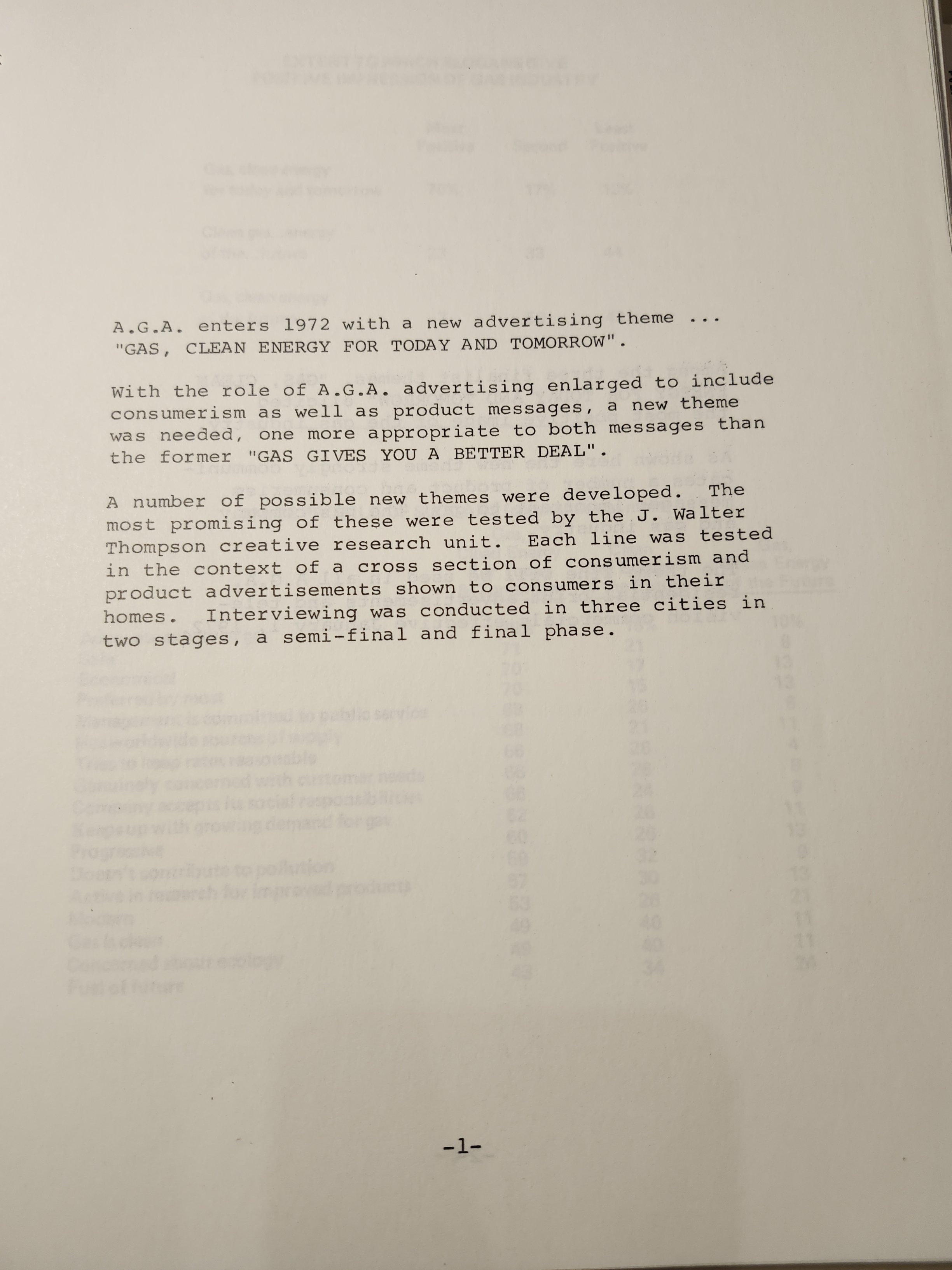
Gas, clean energy for today and tomorrowApproved campaign theme · 1972
American Gas Association campaign memo, 1972.
Read the source ↗Your reading will appear here.
Separate the sales label from the measurable question underneath.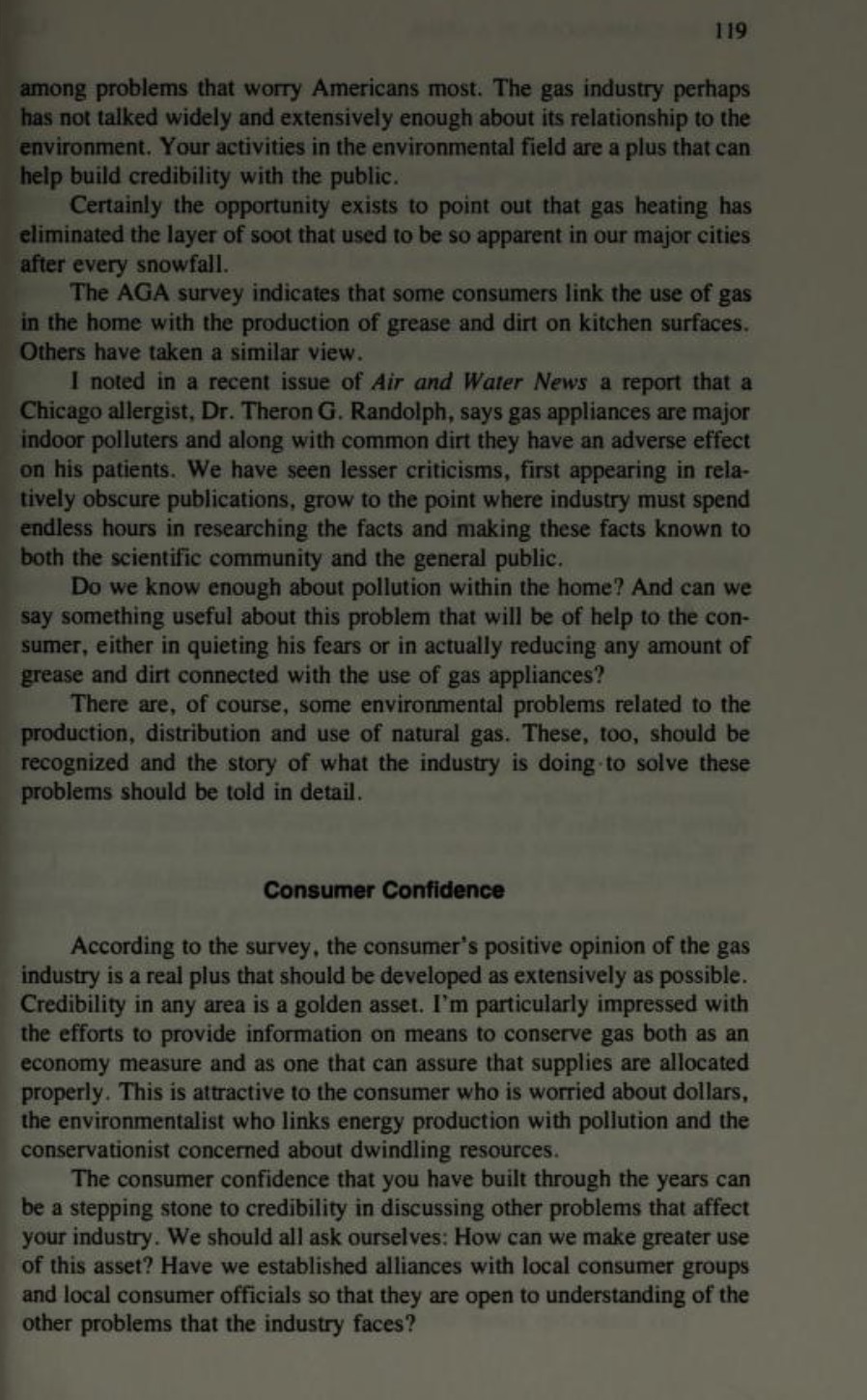
Hill and Knowlton crisis-communication guide.
Read the source ↗In 1972, AGA and the Interstate Natural Gas Association of America called on Hill & Knowlton. Its chairman and chief executive, Richard W. Darrow, addressed assembled gas-company executives and advised long-range public relations before critics defined the problem.
Strategy question → Who gets to name the crisis before the evidence is heard?
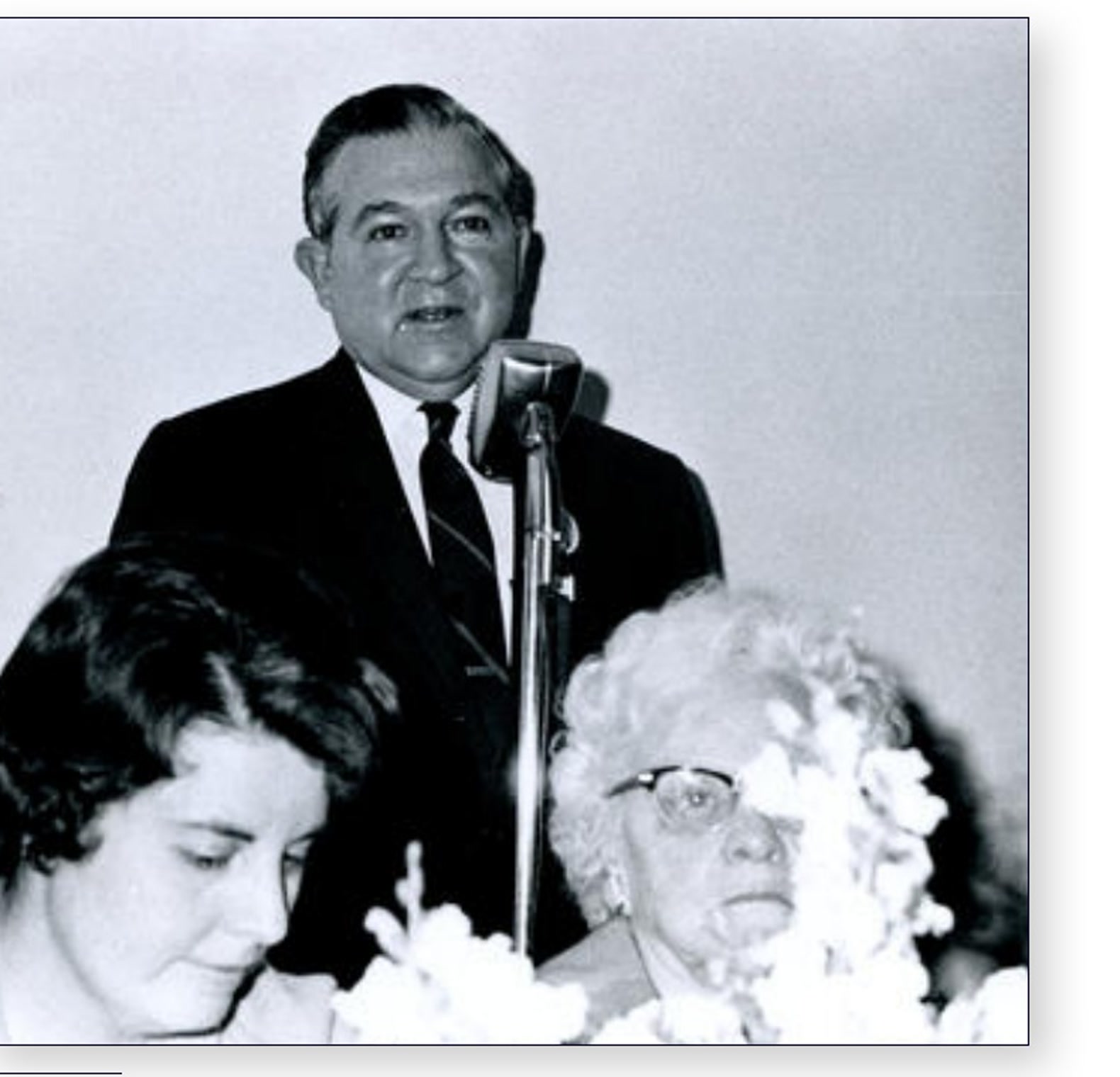
Chairman & CEO · Hill & Knowlton
Darrow told assembled gas executives to develop their own research, tell the industry’s environmental story in detail, and mount a consistent, long-range public-relations program. The mask was no longer just an ad line. It was a system for deciding who spoke first.
Portrait: PhiGam Archives via Center for Climate Integrity · Read the sourced account ↗Check the boundary before you carry the conclusion. Four checked questions make a stronger claim; uncertainty is still a useful result.
A 1988 Houston Chronicle clipping carried the sales frame into public reporting. The promise had moved from private agency paper to a familiar public vocabulary.
Newsroom question → Is the source testing the premise, or merely carrying it?
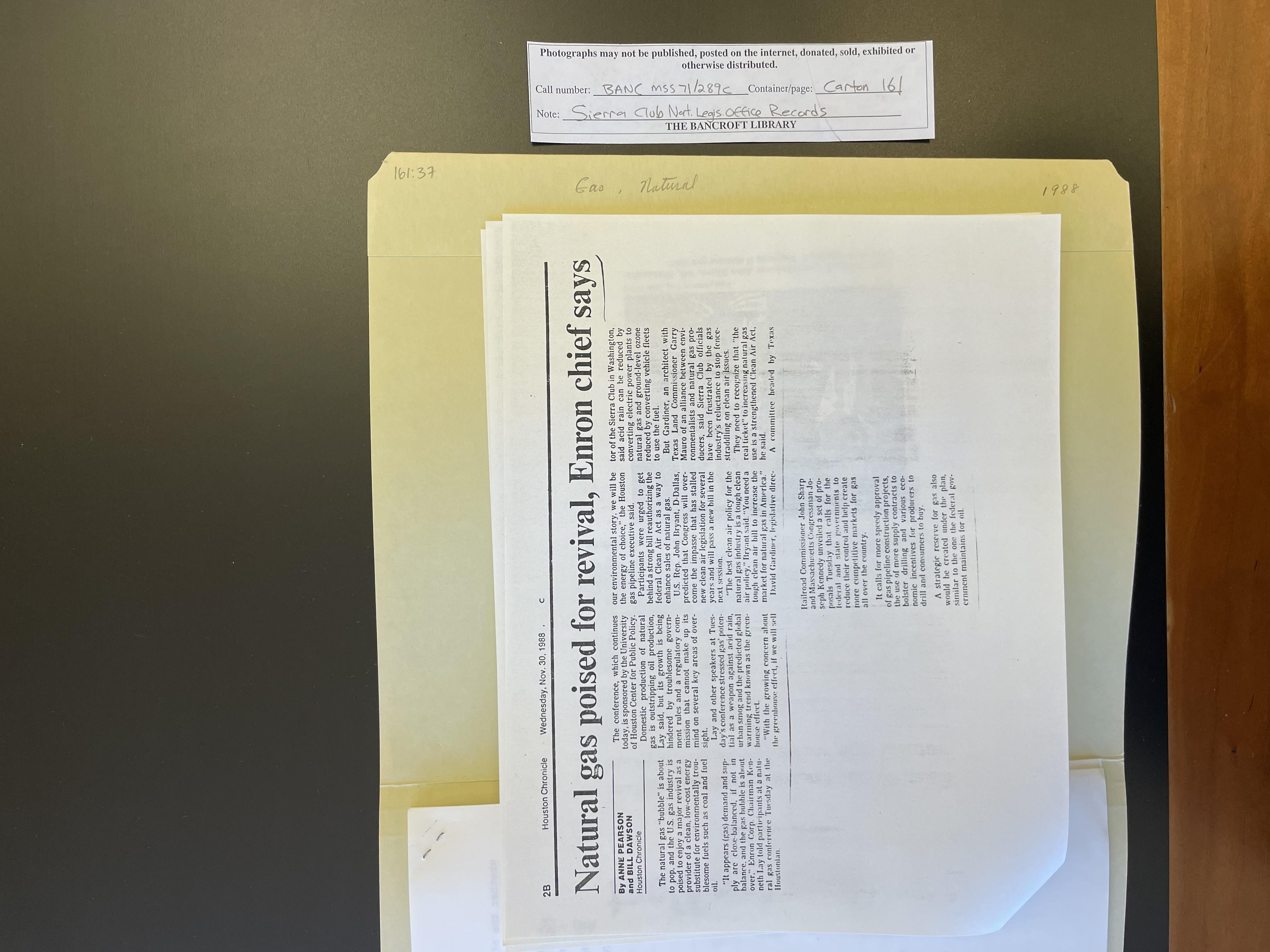
Natural gas poised for revivalHouston Chronicle · 1988
Houston Chronicle clipping in its archive folder, 1988.
Open the record ↗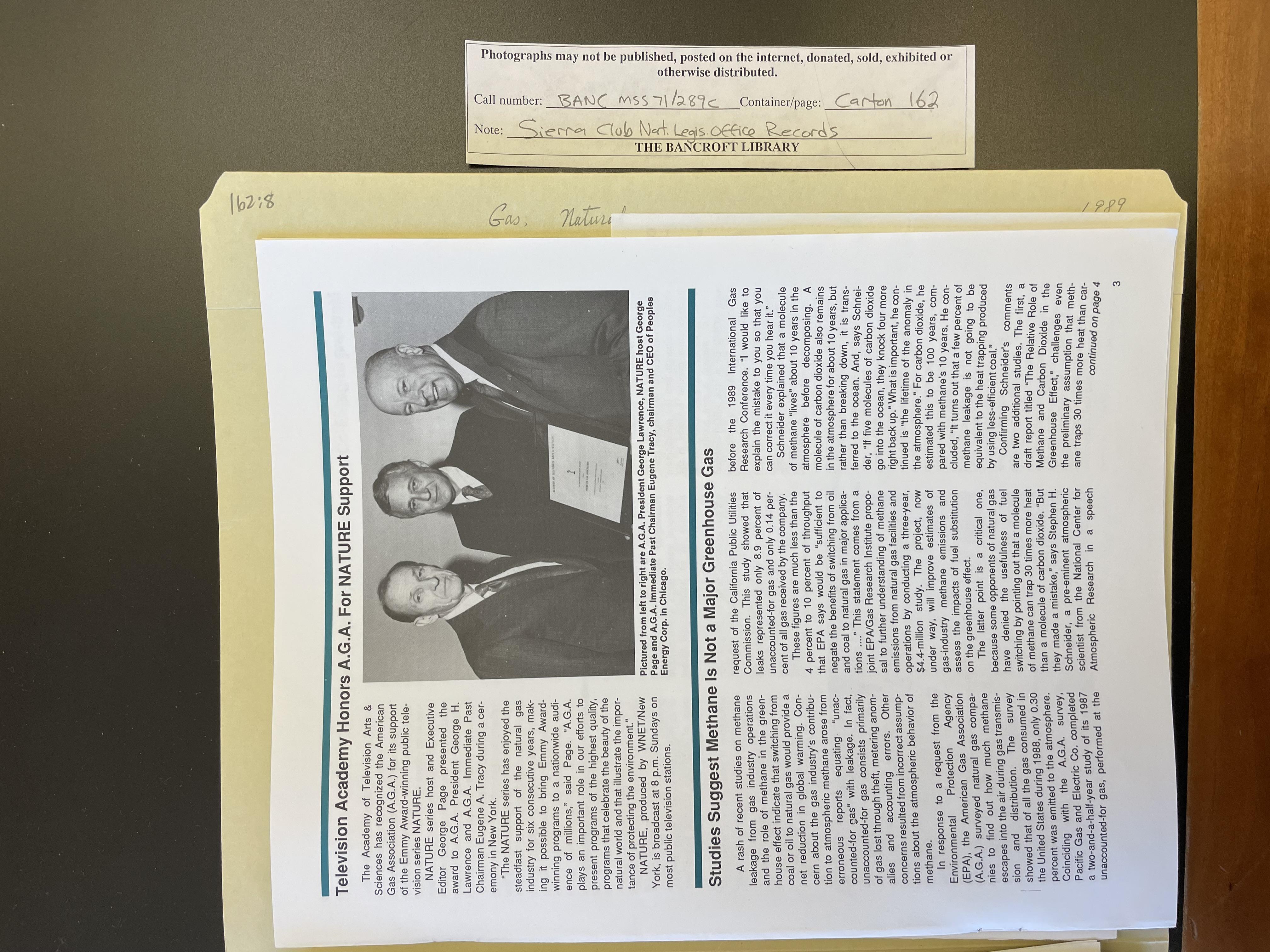
Methane is not a major greenhouse gasA.G.A. Natural Resource · 1990
American Gas Association newsletter in its archive folder, 1990.
Open the record ↗The newsletter led with “Studies Suggest Methane Is Not a Major Greenhouse Gas.” The qualifying detail lived below. The hierarchy did the persuasive work: reassurance first, uncertainty later.
Editorial question → What did the headline remove from the study beneath it?
Ask what the speaker needs you to buy, permit, repeat, or stop questioning.
Turn every reassuring label into a measurable claim with a boundary and a date.
Restore the leaks, alternatives, public costs, uncertainty, and exit plan.

The announcement foregrounds route, proponents, and export ambition before legal certainty exists.
Open the reporting ↗The long-distance oil route is sold through independence and market access. The climate boundary sits outside the frame.
Open the reporting ↗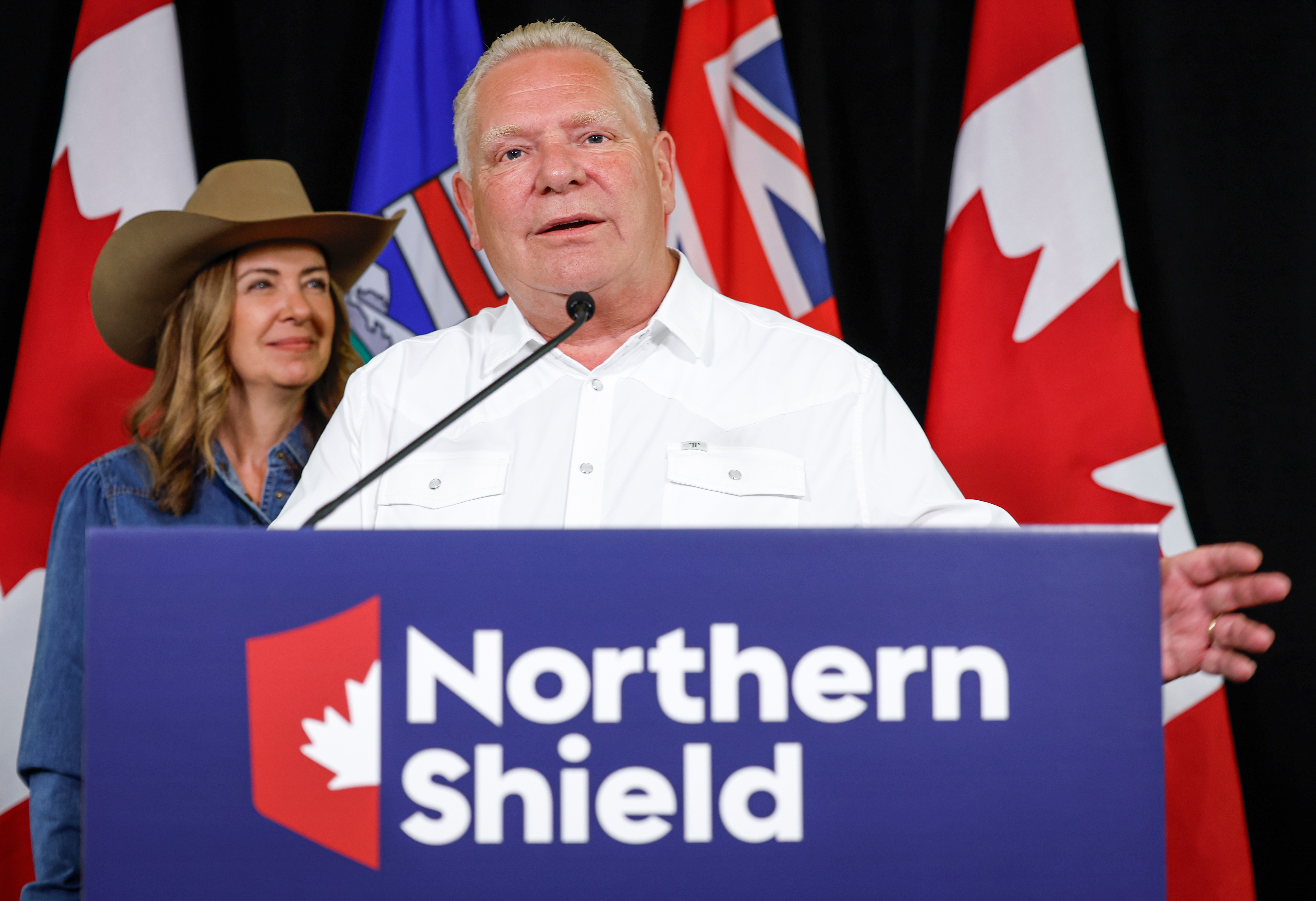

Support language lands first; timing, labour, cost, and implementation qualify it later.
Open the reporting ↗“Next steps” and “corridor” suggest inevitability while the binding commitments remain unresolved. The source page provides no honest lead photograph, so none has been manufactured here.
Open the statement ↗Local response exposes the distance between the opening message and unresolved consequences.
Open the reporting ↗

Approval, cost, and jobs dominate the lead. Operational emissions begin after the headline ends.
Open the reporting ↗Reporting describes API hiring Burson-Marsteller to build the Foundation for Clean Air Progress while opposing stricter air rules.
Washington Post source ↗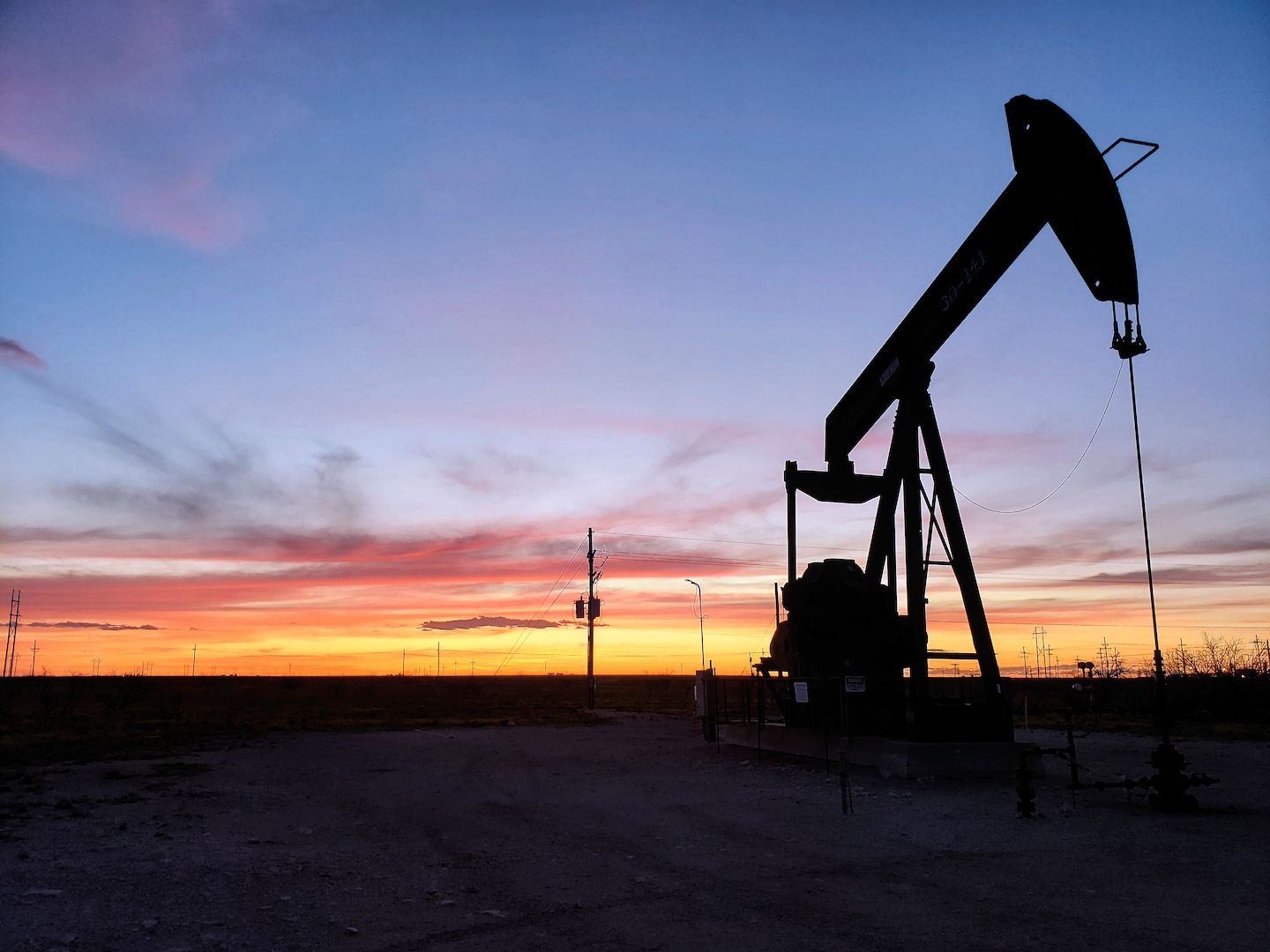
Ogilvy & Mather ran the global campaign around BP’s new identity across television, radio, and public relations.
Marketing Week source ↗Congressional records document forged letters in an aggressive grassroots campaign; later reporting follows the public-relations response.
Hearing record ↗ PR reporting ↗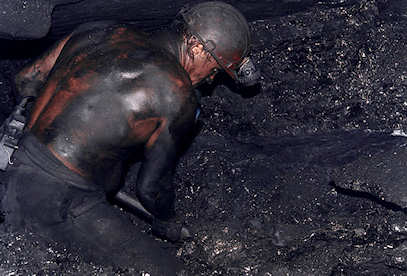
A leaked strategy prepared by Navigator outlined coordinated opposition to clean-fuel policy and language meant to shift public feeling.
Greenpeace source ↗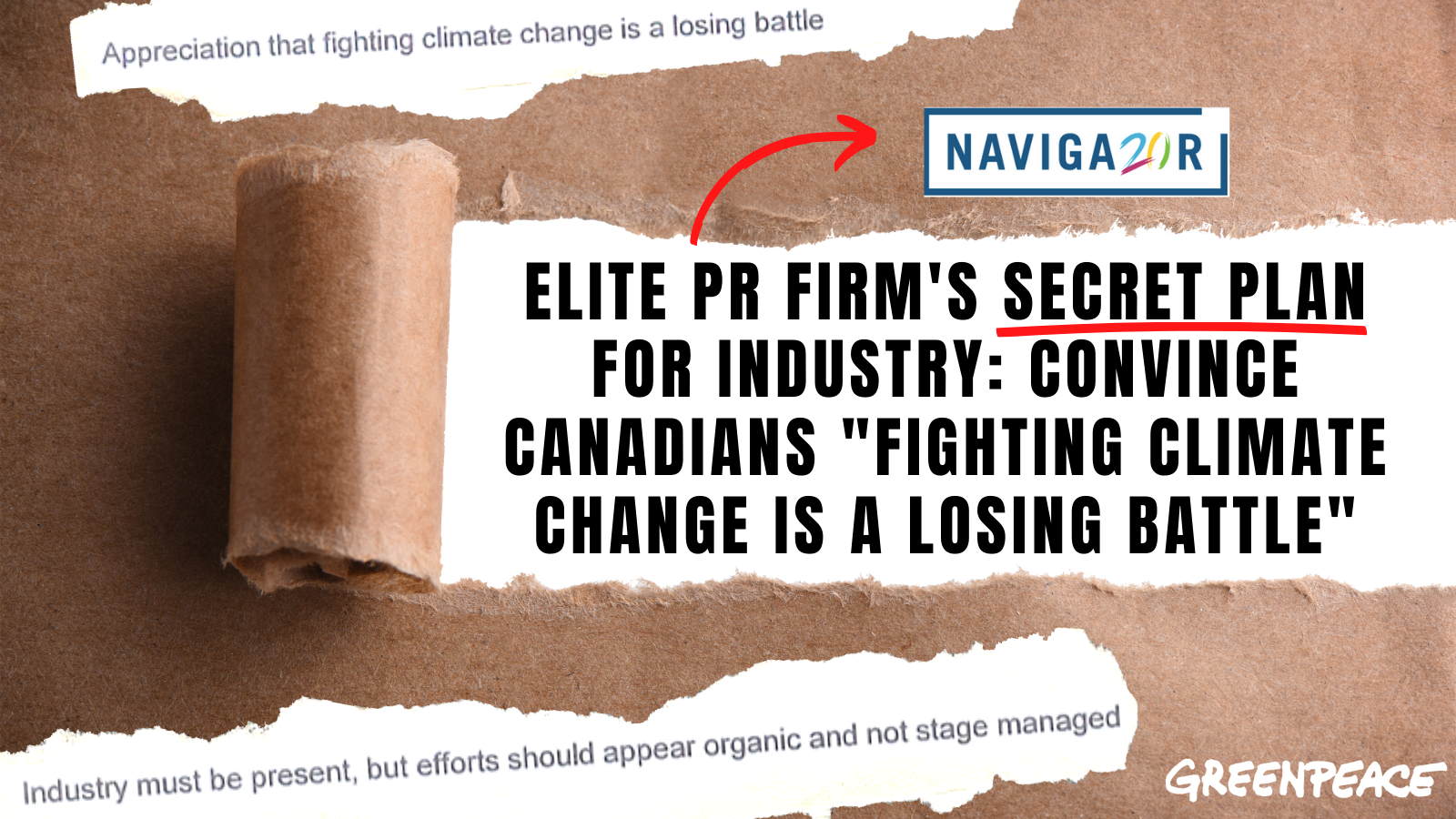
Ad monitoring connected natural-gas policy campaigns and their media spending to Canadian Gas Association infrastructure.
DeSmog source ↗